Skin care
Kategorien
Neueste Beiträge


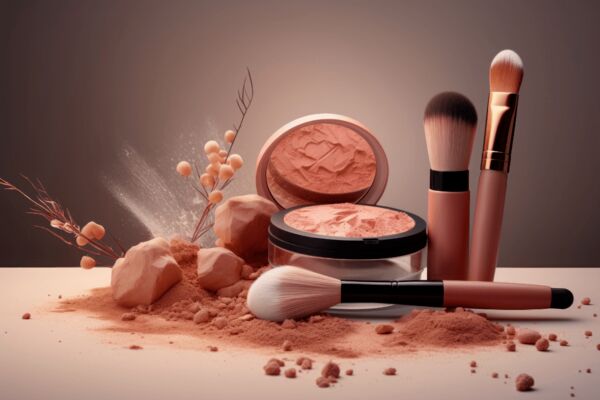
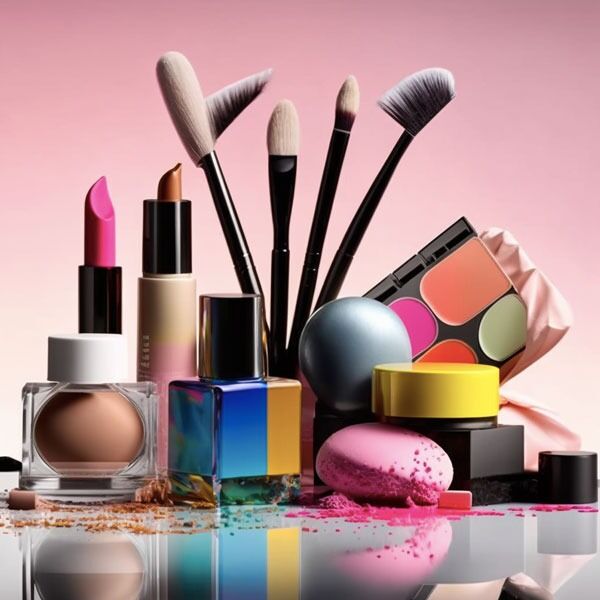
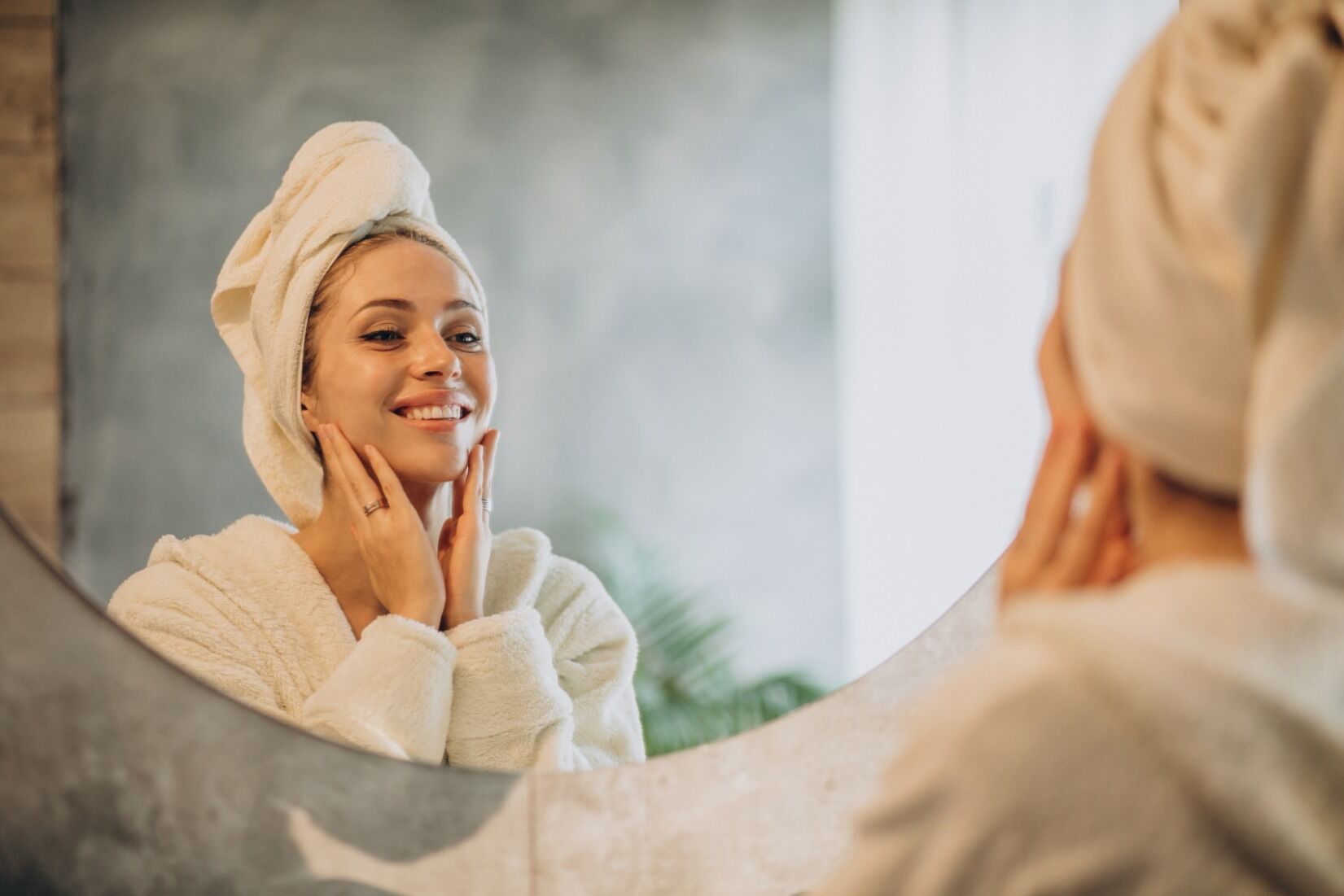
Skin care or skincare is a range of practices that support skin integrity, enhance its appearance, and relieve skin conditions. They can include nutrition, avoidance of excessive sun exposure, and appropriate use of emollients. Practices that enhance appearance include the use of cosmetics, botulinum, exfoliation, fillers, laser resurfacing, microdermabrasion, peels, retinol therapy, and ultrasonic skin treatment. Skin care is a routine daily procedure in many settings, such as skin that is either too dry or too moist, and prevention of dermatitis and prevention of skin injuries. Skin care is a part of the treatment of wound healing, radiation therapy and some medications. Background Skin care is at the interface of cosmetics and dermatology. The US Federal Food, Drug, and Cosmetic Act defines cosmetics as products intended to cleanse or beautify (for instance, shampoos and lipstick). A separate category exists for medications, which are intended to diagnose, cure, mitigate, treat, or prevent disease, or to affect the structure or function of the body (for instance, sunscreens and acne creams), although some products, such as moisturizing sunscreens and anti-dandruff shampoos, are regulated within both categories. Skin care differs from dermatology by its inclusion of non-physician professionals, such as estheticians and wound care nursing staff. Skin care includes modifications of individual behavior and of environmental and working conditions. EGFR side effects Epidermal growth factor receptor (EGFR) inhibitors are medications used in cancer treatment. These medications commonly cause skin and nail problems, including rashes, dry skin and paronychia.[21] Preventive intensive moisturizing with emollient ointments several times, avoidance of water-based creams and water soaks (although in certain circumstances white vinegar or potassium permanganate soaks may help), protection the skin from excessive exposure to sunshine, and soap substitutes which are less dehydrating for the skin than normal soaps, as well as shampoos that reduce the risk of scalp folliculitis, are recommended. Treatment measures with topical antibiotic medication can be helpful.[21][22][23] Related products Main articles: Cosmeceutical and Nutricosmetics Cosmeceuticals are topically applied, combination products that bring together cosmetics and "biologically active ingredients". Products which are similar in perceived benefits but ingested orally are known as nutricosmetics. According to the United States Food and Drug Administration (FDA), the Food, Drug, and Cosmetic Act "does not recognize any such category as "cosmeceuticals." A product can be a drug, a cosmetic, or a combination of both, but the term "cosmeceutical" has no meaning under the law". Drugs are subject to an intensive review and approval process by FDA. Cosmetics, and these related products, although regulated, are not approved by FDA prior to sale. Elaborate skin care routines are promoted on social media platforms such as TikTok.[9] This has led to children and teens using harsh and inappropriate products, such as anti-aging products, which provide no benefit to young skin and may be harmful.[9] It has also encouraged children and teens to wear sunscreen every day. EGFR side effects Epidermal growth factor receptor (EGFR) inhibitors are medications used in cancer treatment. These medications commonly cause skin and nail problems, including rashes, dry skin and paronychia.[21] Preventive intensive moisturizing with emollient ointments several times, avoidance of water-based creams and water soaks (although in certain circumstances white vinegar or potassium permanganate soaks may help), protection the skin from excessive exposure to sunshine, and soap substitutes which are less dehydrating for the skin than normal soaps, as well as shampoos that reduce the risk of scalp folliculitis, are recommended. Treatment measures with topical antibiotic medication can be helpful.[21][22][23] Related products Main articles: Cosmeceutical and Nutricosmetics Cosmeceuticals are topically applied, combination products that bring together cosmetics and "biologically active ingredients". Products which are similar in perceived benefits but ingested orally are known as nutricosmetics. According to the United States Food and Drug Administration (FDA), the Food, Drug, and Cosmetic Act "does not recognize any such category as "cosmeceuticals." A product can be a drug, a cosmetic, or a combination of both, but the term "cosmeceutical" has no meaning under the law". Drugs are subject to an intensive review and approval process by FDA. Cosmetics, and these related products, although regulated, are not approved by FDA prior to sale. Elaborate skin care routines are promoted on social media platforms such as TikTok.[9] This has led to children and teens using harsh and inappropriate products, such as anti-aging products, which provide no benefit to young skin and may be harmful.[9] It has also encouraged children and teens to wear sunscreen every day.[9] EGFR side effects Epidermal growth factor receptor (EGFR) inhibitors are medications used in cancer treatment. These medications commonly cause skin and nail problems, including rashes, dry skin and paronychia.[21] Preventive intensive moisturizing with emollient ointments several times, avoidance of water-based creams and water soaks (although in certain circumstances white vinegar or potassium permanganate soaks may help), protection the skin from excessive exposure to sunshine, and soap substitutes which are less dehydrating for the skin than normal soaps, as well as shampoos that reduce the risk of scalp folliculitis, are recommended. Treatment measures with topical antibiotic medication can be helpful.[21][22][23] Related products Main articles: Cosmeceutical and Nutricosmetics Cosmeceuticals are topically applied, combination products that bring together cosmetics and "biologically active ingredients". Products which are similar in perceived benefits but ingested orally are known as nutricosmetics. According to the United States Food and Drug Administration (FDA), the Food, Drug, and Cosmetic Act "does not recognize any such category as "cosmeceuticals." A product can be a drug, a cosmetic, or a combination of both, but the term "cosmeceutical" has no meaning under the law". Drugs are subject to an intensive review and approval process by FDA. Cosmetics, and these related products, although regulated, are not approved by FDA prior to sale. Elaborate skin care routines are promoted on social media platforms such as TikTok.[9] This has led to children and teens using harsh and inappropriate products, such as anti-aging products, which provide no benefit to young skin and may be harmful.[9] It has also encouraged children and teens to wear sunscreen every day.[9]